Water Extraction in Huntington Station, NY
Standing water keeps soaking into carpet, pad, drywall and subfloor until it leaves the house. The extraction crew pulls it out first, then the drying team takes over.
(888) 527-9860Get the water out now- IICRC S500 drying
- Daily moisture readings
- Truck-mounted extraction
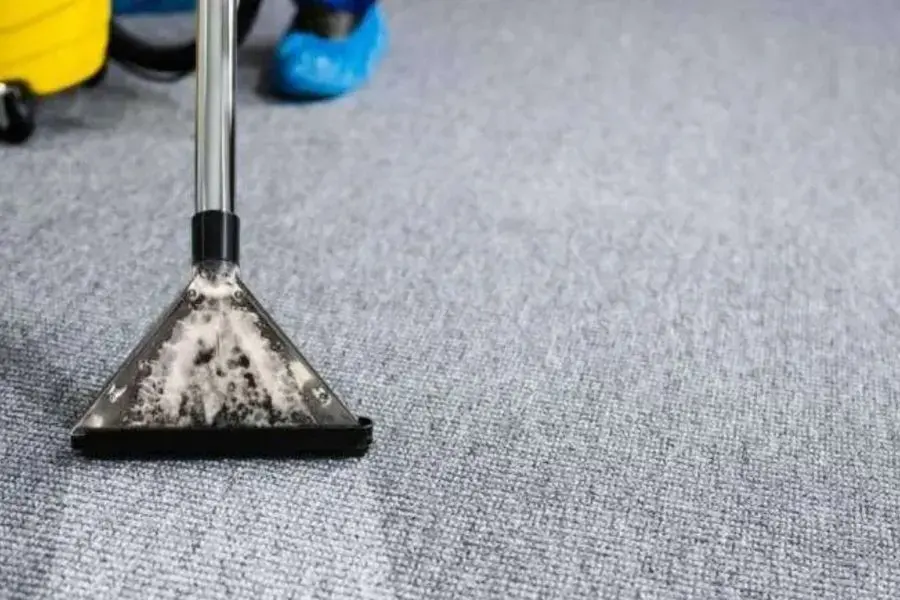
First steps for water extraction in Huntington Station
- 1Stop the source. Close the main valve or the fixture valve so no new water reaches the floor.
- 2Make the room safe. Cut power to wet rooms at the panel if the panel area is dry.
- 3Lift what you can. Move rugs, boxes and furniture legs off the wet floor.
- 4Call for extraction. The sooner the water is pulled out, the more carpet and drywall can be saved.
How water extraction is handled in Huntington Station
A finished dry-out and a cosmetic one look alike on day one. The difference is the order of the work and the readings behind it.
Rapid local response
The Huntington Station restoration crew runs 24/7 dispatch, so extraction starts while the water is still on the surface.
IICRC S500 drying standard
IICRC S500 is the industry drying standard. Extraction is step one of structural drying, not the whole job.
Claim-ready documentation
Photos of the standing water, a moisture map and daily readings go into the claim file from the first visit.
Lower-level know-how
Finished basements and split-level family rooms are the usual setting here, and the crew plans for stairs and tight access.
What does water extraction cost in Huntington Station, NY?
In Huntington Station, NY, water extraction and the drying that follows typically run $800 to $5,500, depending on how much water there is, the water category, the flooring and how far it wicked into the walls.
The drivers are the water category, the square footage that got wet, the material class and how fast drying started. Try the water damage cost calculator for a planning range, then call for a firm number.
Small area, clean water
$800 to $1,800- One room extracted
- Carpet pad lifted
- Two to three days of drying
Finished lower level
$1,800 to $4,000- Truck-mounted extraction
- Pad and baseboard removed
- Air movers and LGR units
Deep or dirty water
$4,000 to $5,500+- Category 2 or 3 handling
- Carpet and pad removed
- Antimicrobial and longer drying
How water extraction moves from wet to dry
- 1
Map the water
The tech who does the walkthrough traces how far the water went with thermal imaging and pinless meters.
- 2
Extract
The extraction crew pulls standing water with truck-mounted extraction and weighted wands on carpet.
- 3
Remove and open
Ruined pad, trim and low drywall come out so the wet cavities can dry.
- 4
Dry and verify
Air movers and LGR dehumidifiers run until readings reach the drying goal.
Most water losses in Huntington Station end up on a lower floor. Water from a burst pipe, a failed water heater or a storm finds the basement or the split-level family room, and it keeps wicking upward into drywall and framing as long as it sits there. Water extraction is the first job on almost every loss, and it decides how much of the room can be dried instead of replaced.
Why extraction comes first
A wet-dry shop vacuum moves gallons. A truck-mounted extraction unit moves the water out of the house fast and pulls it from the carpet and pad, not just off the top. The extraction crew works the room in passes:
- Standing water off hard floors and concrete first
- Weighted extraction on carpet to press water out of the pad
- Pad pulled when it is soaked through or the water is Category 2 or 3
- Baseboard removed where water has reached the bottom of the walls
What happens after the water is out
Extraction removes the free water. The water already absorbed by drywall, framing, subfloor and concrete needs structural drying. The drying team sets air movers and LGR dehumidifiers to each room's evaporation load and takes readings every day. See structural drying for how that phase runs.
Standing water on the floor? Get it extracted before it wicks into the walls.
Call (888) 527-9860 about water extraction in Huntington StationClean water versus dirty water
Clean supply water can usually be dried in place when extraction starts early. Washer and toilet water is Category 2, and sewage or outside floodwater is Category 3, which changes what gets removed. The EPA mold cleanup page explains why wet materials need to dry within 24 to 48 hours, and Ready.gov covers safety around floodwater.
Covering all of Huntington Station, NY 11746
The restoration team covers Huntington Station and South Huntington in ZIP 11746, from the New York Avenue corridor to West Hills, with Huntington, Greenlawn, Dix Hills and Melville close by.
See every area servedWater Extraction and Removal questions in Huntington Station, NY
Can I extract the water myself with a shop vacuum?
A shop vacuum helps with a small spill, but it leaves most of the water in the carpet pad and the bottom of the walls. Truck-mounted extraction pulls far more water out, which shortens drying and saves more material.
Will the carpet have to be thrown out?
Not always. Carpet wet with clean water can often be extracted and dried in place, though the pad usually comes out. Carpet touched by Category 3 water is removed.
How long does extraction take?
Extraction itself usually takes a few hours for a room or a lower level. The drying that follows takes days, and readings decide when it is finished.
Does extraction stop mold?
Getting the water out fast is the best defense, because mold can start inside 24 to 48 hours on wet materials. Extraction plus verified drying is what prevents it.
What if the water came from outside?
Floodwater from outside is Category 3. The crew removes porous materials it touched and treats surfaces with an EPA-registered antimicrobial.
Is water extraction covered by insurance?
Extraction after a sudden leak is often part of a covered water claim, while flooding from outside falls under flood coverage. Coverage depends on your policy, so it is worth checking with your own insurer.
Water standing in the house? Get it extracted today.
Every hour of standing water reaches more pad, drywall and subfloor. The Huntington Station restoration crew dispatches 24/7.