Water Damage Restoration Huntington Station, NY
24/7 water damage restoration in Huntington Station, NY. The restoration team extracts standing water, dries the structure to the IICRC S500 standard and documents every step for your insurance claim.
(888) 527-9860Stop the spread: call 24/7 dispatch- 24/7 dispatch
- IICRC S500 drying standard
- Truck-mounted extraction
- Daily moisture readings
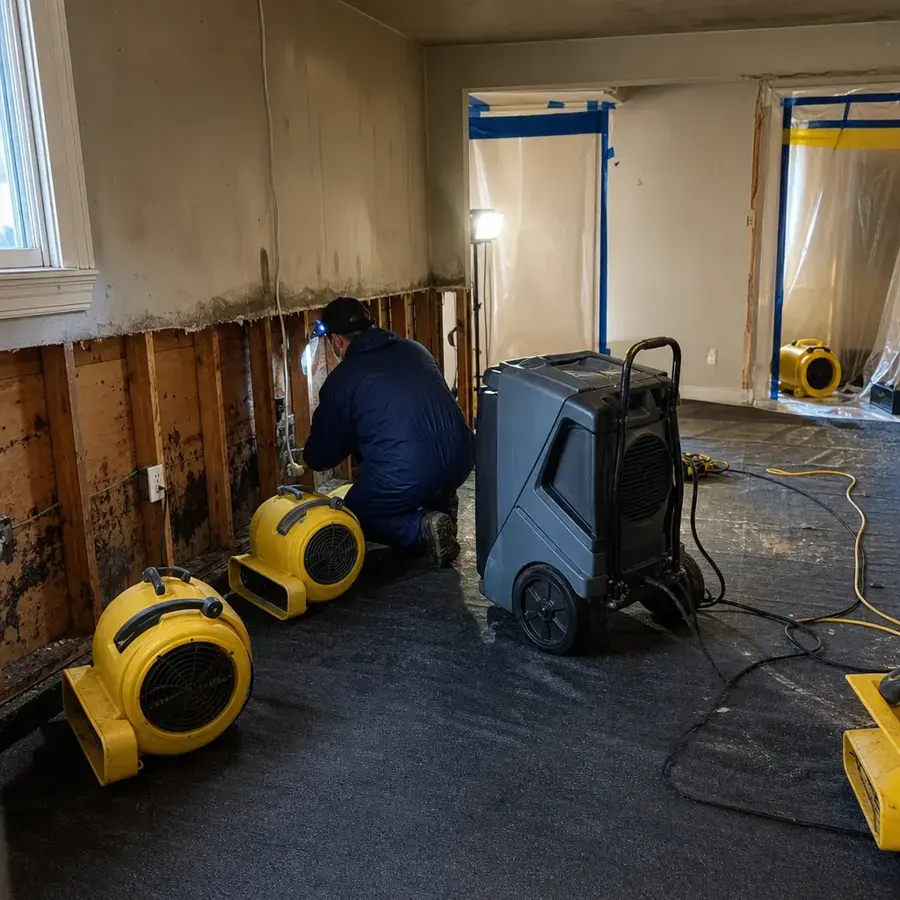
Watch for this winter
- Baseboard heat pipes freezing on outside walls
- Ice dams along cape roof eaves
- Seepage into split-level lower levels
What to do while the water is still moving
- 1
Shut the main valve, usually in the basement where the supply pipe comes through the foundation wall.
- 2
Cut power to wet rooms at the panel, but only if the floor around the panel is dry.
- 3
Stay out of standing water near outlets, cords or a basement boiler.
- 4
Photograph every wet room and item before anything gets moved.
- 5
Lift rugs and move what you can to dry ground, then call.
Drywall, carpet pad and subfloor start wicking within hours, and mold can take hold inside 24 to 48 hours, so the first call matters more than the first repair.
Get the extraction crew rollingWater Damage Restoration Services in Huntington Station, NY
Water and sewage only. Every service starts with a moisture map and ends with readings that show the structure is dry.
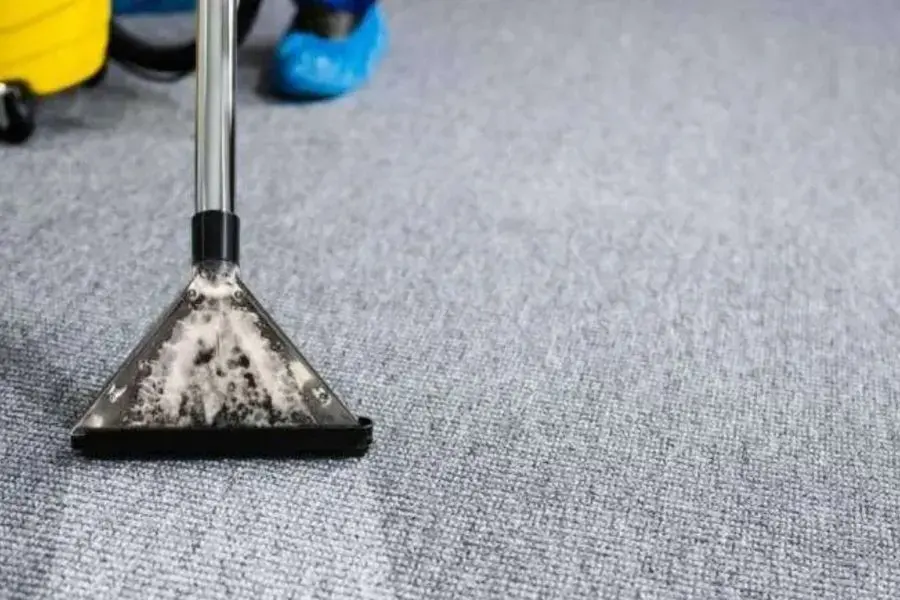 Water Extraction & RemovalStanding water pulled out with truck-mounted extraction before it wicks into walls.See the service
 Frozen Pipe CleanupSplit pipes in outside walls and over garages, dried out once the thaw starts.See the service
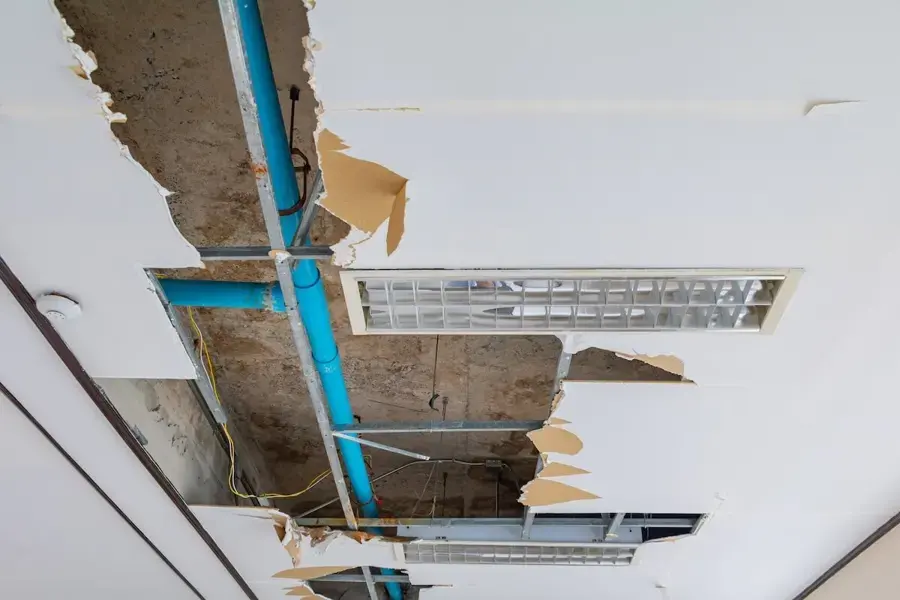 Burst Pipe CleanupFailed copper and old fittings in post-war homes, extracted and cavity-dried.See the service
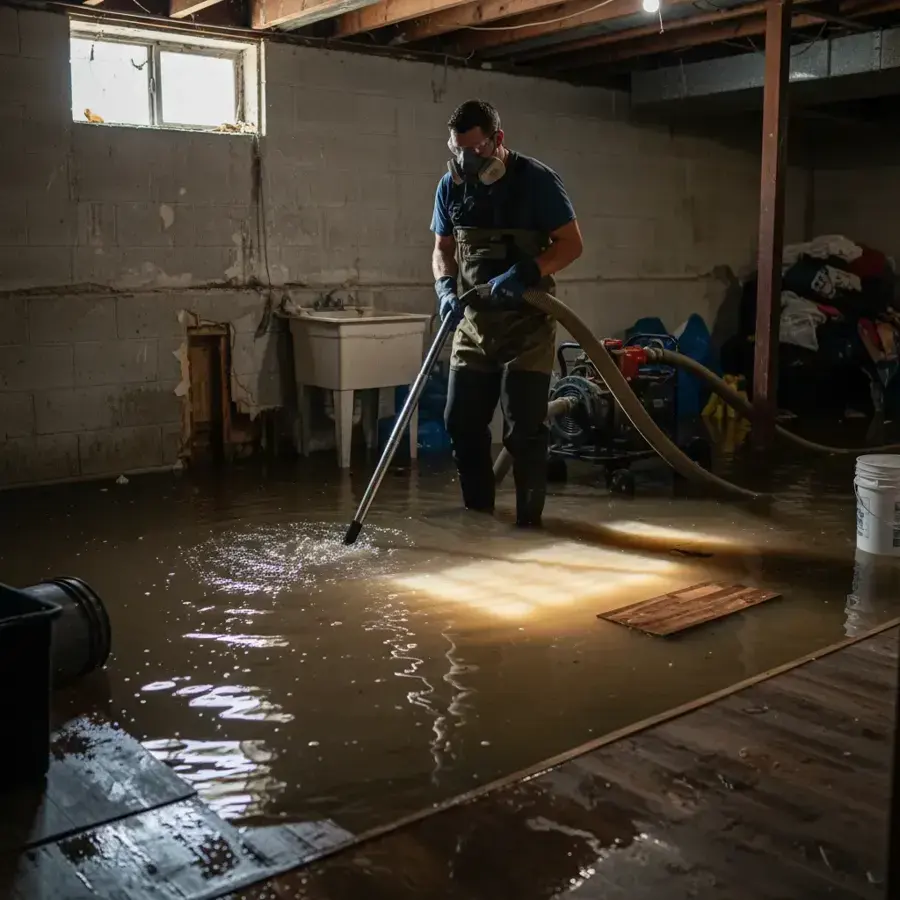 Basement Flooding CleanupFinished basements and lower levels pumped out, opened up and dried.See the service
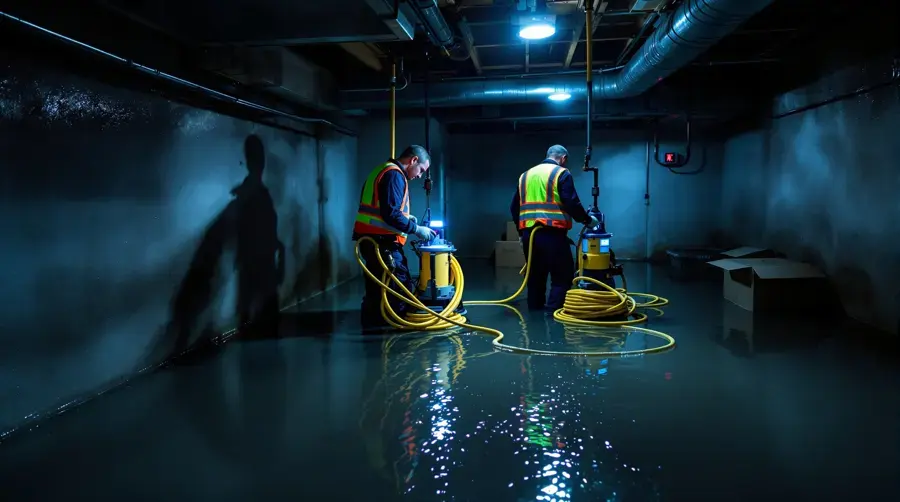 Sump Pump Failure CleanupPits that overflow in storm outages, cleaned up and dried to the slab.See the service
 Ice Dam Water DamageMeltwater backed under shingles into ceilings and knee walls, dried in place.See the service
 Roof Leak Water DamageWind-driven nor'easter rain through roofs and flashing, dried in the attic.See the service
 Ceiling Leak Water DamageWet drywall below upstairs bathrooms opened, dried and checked.See the service
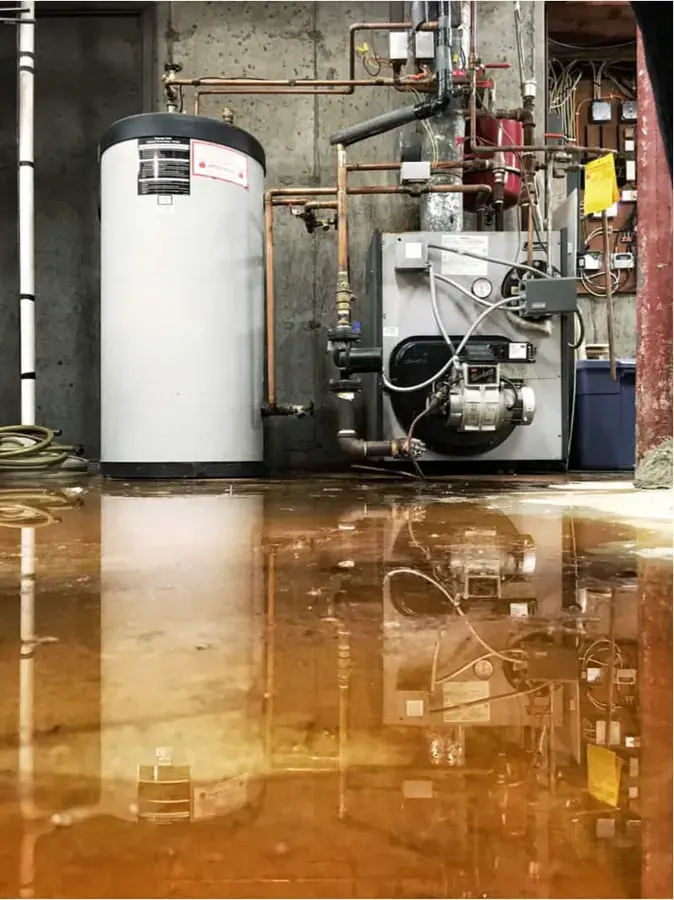 Water Heater Failure CleanupTanks that rust through in basements and utility rooms, extracted fast.See the service
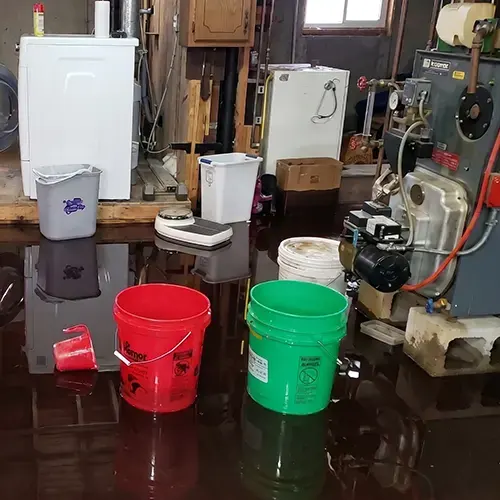 Boiler & Baseboard Heat LeaksLeaking boilers and split baseboard heating loops, cleaned up and dried.See the service
 Storm & Nor'easter FloodingStorm water and hillside runoff pulled out, cleaned and dried.See the service
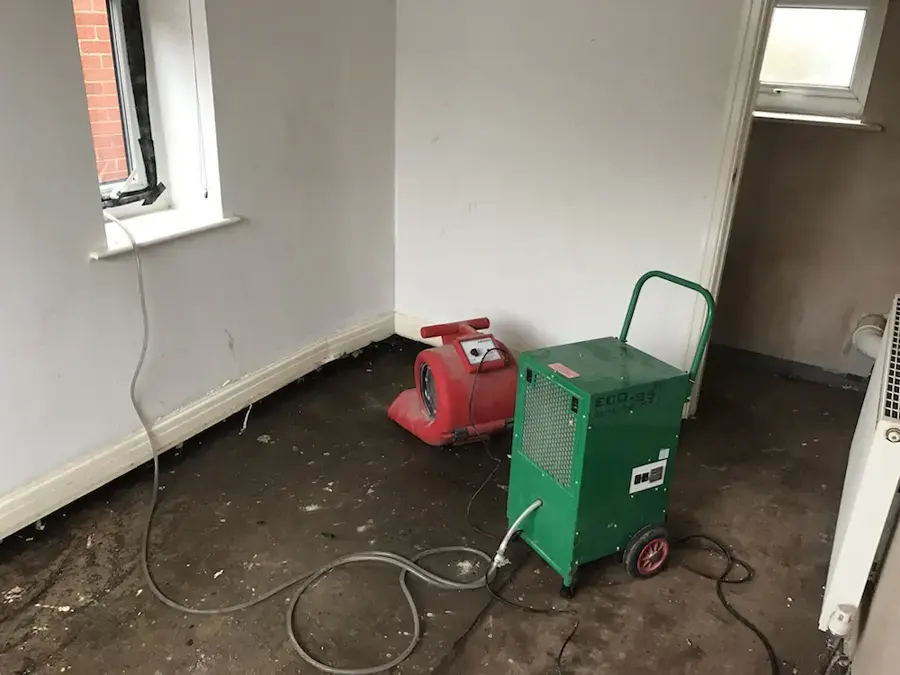 Structural Drying & DehumidificationFraming, subfloor, plaster and hardwood dried to the IICRC S500 goal.See the service
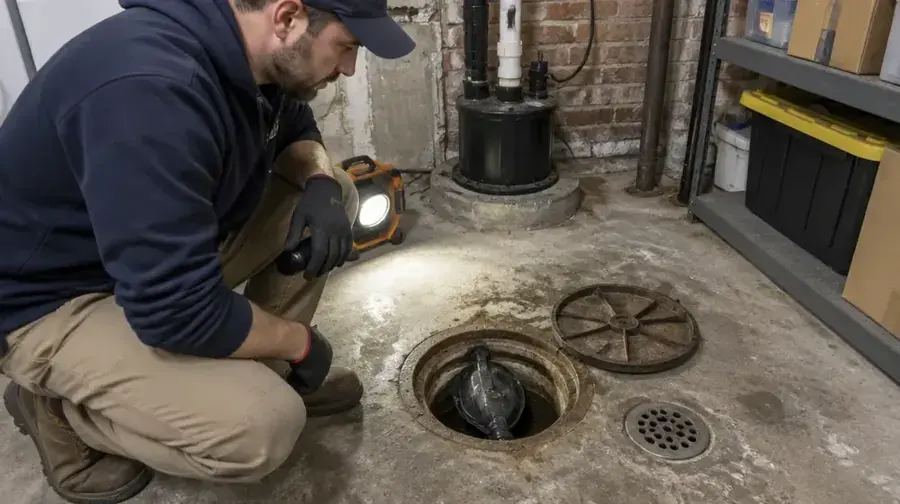 Sewage & Cesspool Backup CleanupSewer and cesspool backups treated as Category 3, contained and removed.See the service
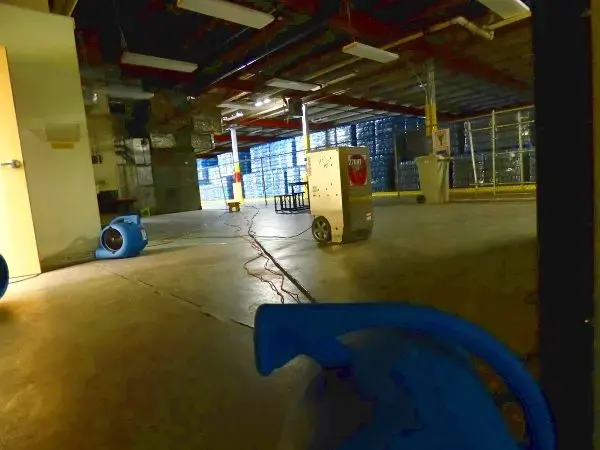 Commercial Water DamageShops and offices along New York Avenue dried with business hours in mind.See the service
Not sure which service fits?
Describe what you see and where the water is. The response team sorts out the source, the category and the equipment the job needs.
Talk it through with dispatchWater damage dried to the IICRC S500 standard
IICRC S500 is the industry drying standard. What separates a finished dry-out from a cosmetic one is the order of the work and the readings behind it.
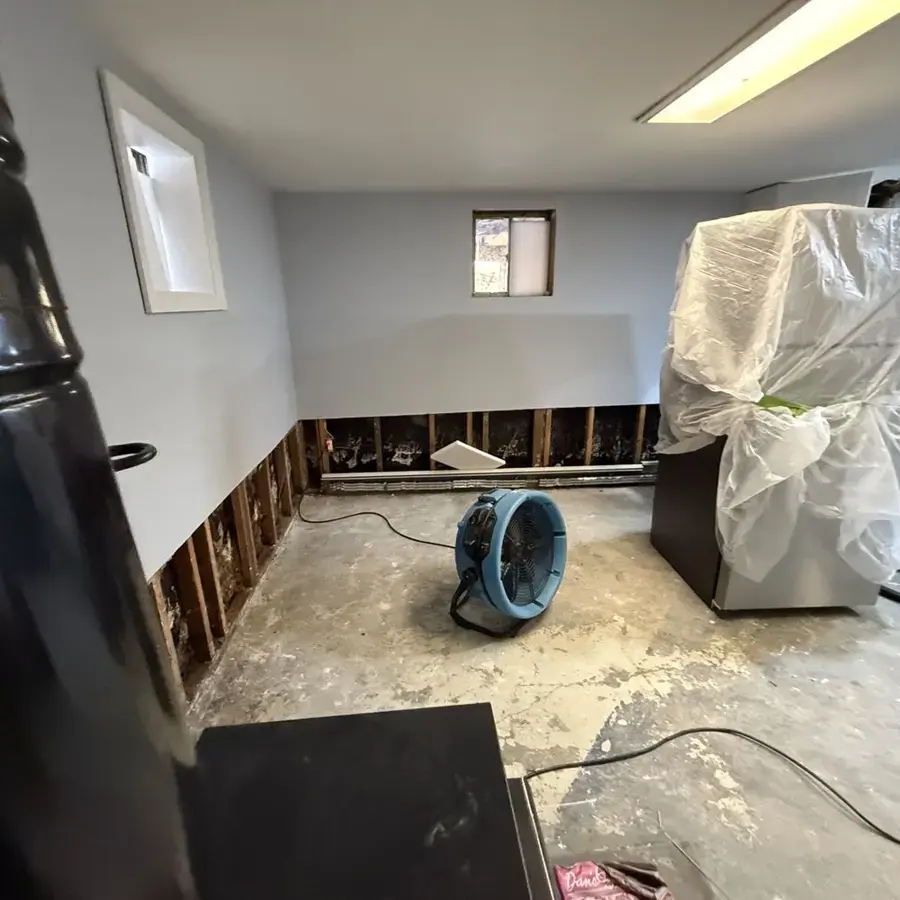
- IICRC S500 drying standard
- Truck-mounted extraction
- Daily moisture readings
- Structural drying, not just surface
- Day 1
Moisture map
The tech who does the walkthrough maps wet materials with thermal imaging and pinless meters before any equipment goes down.
- Day 1
Extraction
The extraction crew pulls standing water with truck-mounted extraction, then removes pad, trim and drywall the water has ruined.
- Days 1 to 4
Drying
The drying team sets air movers and LGR dehumidifiers to each room's evaporation load, with desiccants for dense Class 4 materials.
- Last day
Dry verification
Equipment comes out when wet materials read within 2 to 4 points of a dry reference in the same house, not on a set date.
A contained Class 1 loss usually dries in three to five days. Hardwood, plaster walls and a soaked lower level take longer.
Ask how long your rooms will takeAll water damage categories covered in Huntington Station, NY
Category 1, 2 and 3 water are handled differently, and the category decides what can be dried and what has to go.
Category 1: clean water
A burst supply pipe, a frozen baseboard loop or a leaking water heater. Most materials can be dried in place when work starts early.
Category 2: gray water
Washer or dishwasher discharge and toilet overflows without waste. Carpet pad usually goes, and surfaces get an EPA-registered antimicrobial.
Category 3: black water
Sewage, a cesspool backup through a floor drain or outside floodwater. Porous materials it touched get removed, not dried.
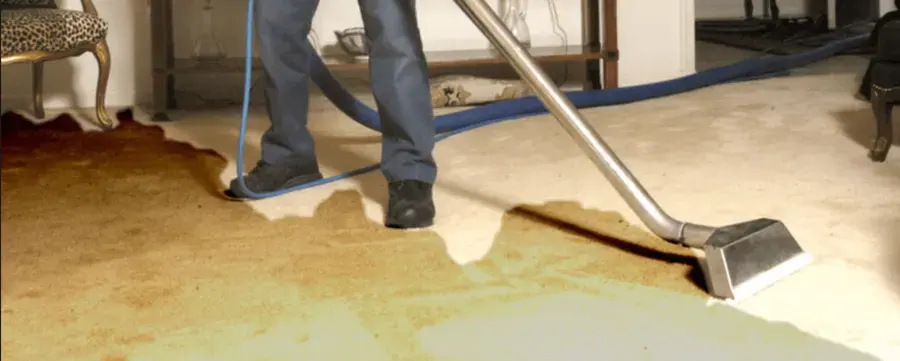
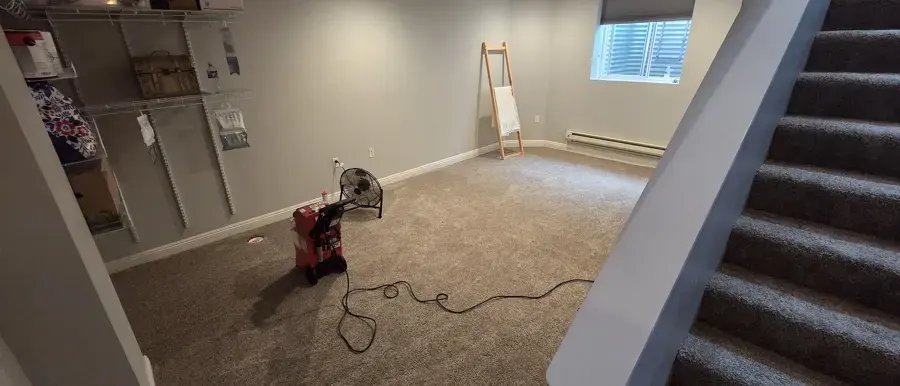
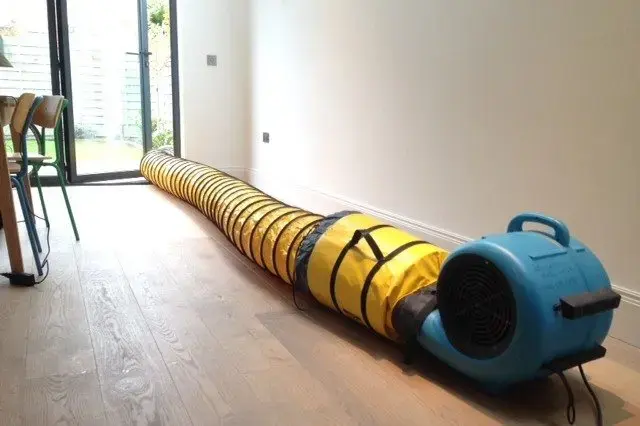
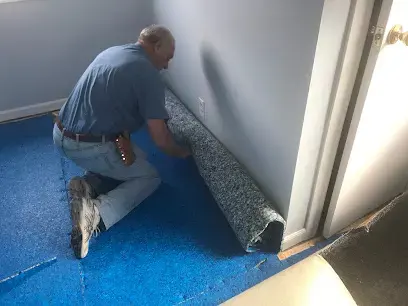
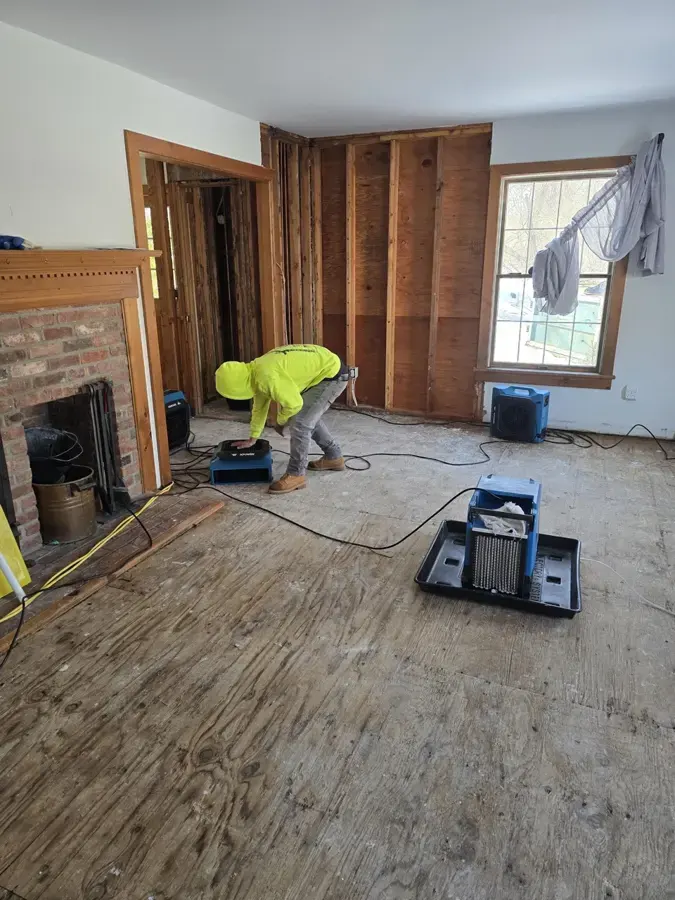
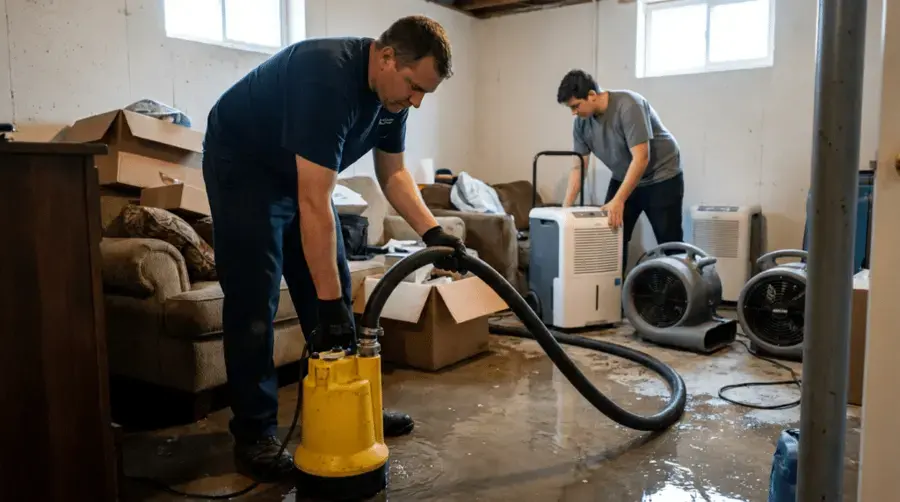
Sewage and cesspool backup cleanupWhat a water damage dry-out looks like in Huntington Station
What does water damage restoration cost in Huntington Station, NY?
In Huntington Station, NY, water damage restoration typically runs $1,200 to $9,000 or more, depending on the water category, how far it spread, the materials that got wet and how fast drying started.
One room, caught early
$1,200 to $3,000- Extraction and pad removal
- Air movers and one dehumidifier
- Three to four days of readings
A finished lower level
$3,000 to $6,500- Carpet, pad and lower drywall out
- Several air movers and LGR units
- Wall cavities dried and logged
Sewage or a whole floor
$6,500 to $9,000+- Category 3 containment and PPE
- Porous materials removed
- Antimicrobial and HEPA air scrubbing
A firm number comes after the walkthrough. For a planning range first, try the water damage cost calculator.
One call reaches Huntington Station water damage pros, 24/7
The restoration team covers all of Huntington Station and South Huntington, from the New York Avenue corridor and Jericho Turnpike to Pulaski Road, Park Avenue and the streets around the train station, and across the rest of the Town of Huntington.
ZIP 11746In and around the hamlet
Town of Huntington
Nearby towns
Water damage in Huntington Station, NY: the local risk profile
Most homes here went up in the 1950s and 1960s: capes, ranches, split-levels, high ranches and colonials, nearly all with a basement or a below-grade lower level. Cold winters and coastal storms do the rest.
Frozen pipes and baseboard heat.
Supply pipes in outside walls and over garages freeze in January cold snaps, and baseboard heating loops can split when an oil boiler runs dry.
Ice dams on capes.
Snow melts over warm knee-wall rooms, refreezes at the eaves and backs water under the shingles into ceilings and walls.
Below-grade lower levels.
Split-level and high-ranch family rooms sit at or below grade, so hillside runoff and a failed sump reach finished floors first.
Nor'easters and outages.
Nor'easters and storms like Tropical Storm Isaias in 2020 bring wind-driven rain, fallen trees and long outages that stop sump pumps.
Water damage questions from Huntington Station homeowners
How fast can someone respond to water damage in Huntington Station?
The restoration team runs 24/7 dispatch, so an active leak is treated as urgent day or night. During a big storm or a deep freeze many homes call at once, so shut off the water and start the first steps while the crew is dispatched.
Is water damage covered by homeowners insurance?
Sudden and accidental water, like a frozen pipe that splits or a water heater that fails, is often covered after the deductible. Slow seepage and rising floodwater are usually treated differently. Coverage depends on your policy, so it is worth checking with your own insurer.
What causes most water damage in Huntington Station homes?
Frozen supply pipes and baseboard heating loops, ice dams on cape roofs, seepage into split-level lower levels, sump pumps that stop in a storm outage, aging water heaters and boilers, and sewer or cesspool backups through basement floor drains.
How long does drying take?
A contained Class 1 loss, one room with low-porosity materials, usually dries in three to five days. Hardwood, plaster and a soaked lower level take longer. The drying team pulls equipment when daily readings reach the drying goal, not on a set date.
What is the IICRC S500?
IICRC S500 is the industry standard for professional water damage restoration. It covers how water is classified by category and class, how much equipment a room needs and how drying is verified with moisture readings.
What should I do in the first hour?
Shut the main valve, cut power to wet rooms only if the panel area is dry, stay out of standing water near outlets, photograph everything and move what you can to dry ground. Then call so extraction can start.
What is the difference between mitigation and repair?
Mitigation stops the damage: extraction, removal of ruined materials and drying. Repair, meaning new drywall, flooring or paint, is a separate phase that starts after the structure reads dry.
When does drywall have to come out?
Drywall touched by Category 3 water comes out. Drywall wet with clean water can often be dried in place if drying starts early, but swollen, crumbling or sagging sections and wet insulation behind them usually get cut out.
Why is a cesspool or sewage backup handled differently?
Much of Suffolk County is unsewered, and many homes drain to a cesspool or septic system. When it fills, wastewater can push up through a basement floor drain. That is Category 3 water from the first minute, so the crew contains the area, wears protective gear and removes porous materials it touched.
How is the cost of water damage restoration worked out?
Cost follows the water category, the square footage that got wet, the material class and how many days of drying the readings call for. Category 3 losses cost more because of containment, removal and antimicrobial treatment.
Water in the house right now? Get it out before it soaks in.
Every hour of standing water reaches more drywall, trim and subfloor. The Huntington Station restoration crew extracts, dries and documents the loss, around the clock.